
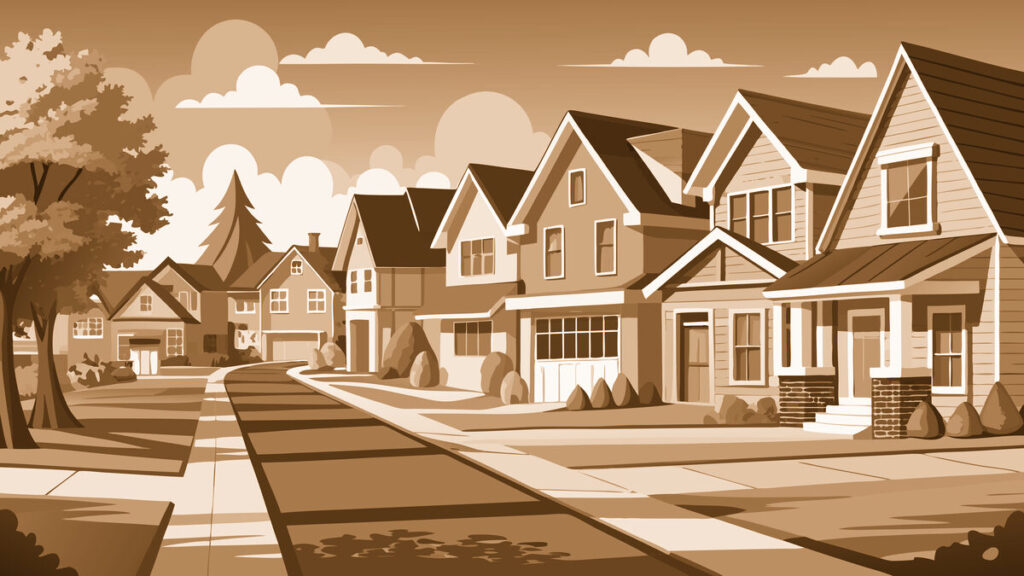
Nestled between South Clinton Avenue and South Goodman Street, and bounded north and south by Field Street and Henrietta Street, Swillburg is a Rochester neighborhood that quietly boasts a remarkable heritage. While not as widely known as some of its city counterparts, this quarter-sized enclave is rich in character, community, and history. The story of Swillburg is truly the tale of resilience, transformation, and pride in place — as any longtime resident would gladly recount over coffee at the Swiftwater Brewing Company or a stroll through Otto Henderberg Square.
The Origins of Swillburg
The roots of Swillburg reach back to the mid-19th century, when the boom of Rochester’s eastward expansion birthed new neighborhoods out of farmland. At that time, this area was largely pasture and orchard, punctuated by family farms and small agricultural enterprises. Swillburg’s distinctive name stems from a more pungent chapter: at the turn of the century, local farmers and city pig keepers carted what was colloquially known as “swill,” or food waste, from nearby markets to feed livestock. As home to many of these swine, the area became playfully (and permanently) dubbed “Swillburg” by locals — the name stuck, a badge of blue-collar honesty and neighborhood pride.
Key Historical Milestones
- Early 20th Century: Swillburg began to fill with modest single-family homes and small apartment blocks, reflecting the city’s demand for affordable worker housing. The blend of American Foursquare, Arts and Crafts, and Victorian-styled homes can still be admired along streets like Ashland, Meigs, and Benton.
- 1940s-50s: The postwar era brought a new demographic shift, as WWII veterans used the GI Bill to purchase properties and young families flocked to the city’s established neighborhoods.
- 1970s: The construction of I-490 marked a significant upheaval. Large swathes of the northern boundary were cut off by the expressway, altering the neighborhood’s cohesion but strengthening a sense of community among remaining residents. Out of necessity, Swillburgians became steadfast stewards of their streets.
- 1990s Revival: By the 1990s, Swillburg underwent revitalization in the wake of city investment and grassroots neighborhood organizing. Crime rates dropped, gardens blossomed, and a new generation discovered the area’s central location, affordability, and homegrown charm.
Notable Landmarks and Local Institutions
Swillburg may be small in footprint, but its streets are dotted with places that represent the area’s resilience and unique character:
- Otto Henderberg Square: At the heart of the neighborhood sits this cozy green space, a gathering spot named for a local block club leader whose decades of advocacy helped revive Swillburg’s fortunes.
- Cinema Theater: Though technically a stone’s throw outside the neighborhood boundary (on South Clinton Avenue), this single-screen movie house (est. 1914) is a beloved destination for families and cinephiles.
- Calvary St. Andrew’s Parish: Once a bustling congregation at the corners of Averill Avenue and Ashland, the building now hosts community events and outreach — a testament to the adaptability of Swillburg’s institutions.
- Blumenfeld Garden: A pocket park at the intersection of South Clinton and Benton, lovingly tended by resident volunteers, showcases perennials and public art.
- Swiftwater Brewing Company: Sitting at the edge of Swillburg, this locally owned brewery has become the new social hub for a fresh generation, blending history and new energy.
The Streets That Tell Stories
Every thoroughfare in Swillburg tells its own story:
- Ashland Street: Lined with old-growth trees and handsome 1920s homes, this street embodies the tight-knit neighborly spirit.
- Field Street: Once a thoroughfare for pig carts and produce wagons, Field Street now features painted crosswalks and block parties.
- Meigs Street Corridor: Home to newer businesses and pedestrian plazas, Meigs is where old Swillburg meets the city’s ever-changing pulse.
Evolution Over the Decades
Swillburg’s history echoes the broader ebb and flow of Rochester’s fortunes. From its working-class beginnings and mid-century stability through later decline and recent reinvention, Swillburgians have always rallied to protect their green spaces, preserve their homes, and foster community outreach. The neighborhood organization, Swillburg Neighborhood Association, has been instrumental in building playgrounds, organizing cleanups, and advocating for safe, walkable streets.
Today, Swillburg is an eclectic mix of longtime residents, young families, artists, and professionals drawn to its vintage homes, garden lots, and easy access to downtown, Highland Park, and the South Wedge. While gentrification brings new challenges, the community remains rooted in its working-class beginnings, friendly faces, and a proud sense of place.
Why Swillburg Matters
Ask anyone who has attended a picnic at Otto Henderberg Square, waved hello along Benton Street, or attended a “Movies in the Park” night at the Cinema Theater, and you’ll hear the same thing: Swillburg is special because of its heritage, but also because of its people. The neighborhood’s journey — from humble pig pastures to a lively, welcoming enclave — is a vibrant chapter in Rochester’s story.
Whether you’re passing through or considering making Swillburg your home, take the time to walk beneath the shade trees, chat with a neighbor, or sit in one of the neighborhood’s pocket parks. You’ll quickly discover the little area with a funny name is one of Rochester’s quiet treasures, filled with stories, history, and heart.